
1. Thyagaraja (1767–1847)
Biography:
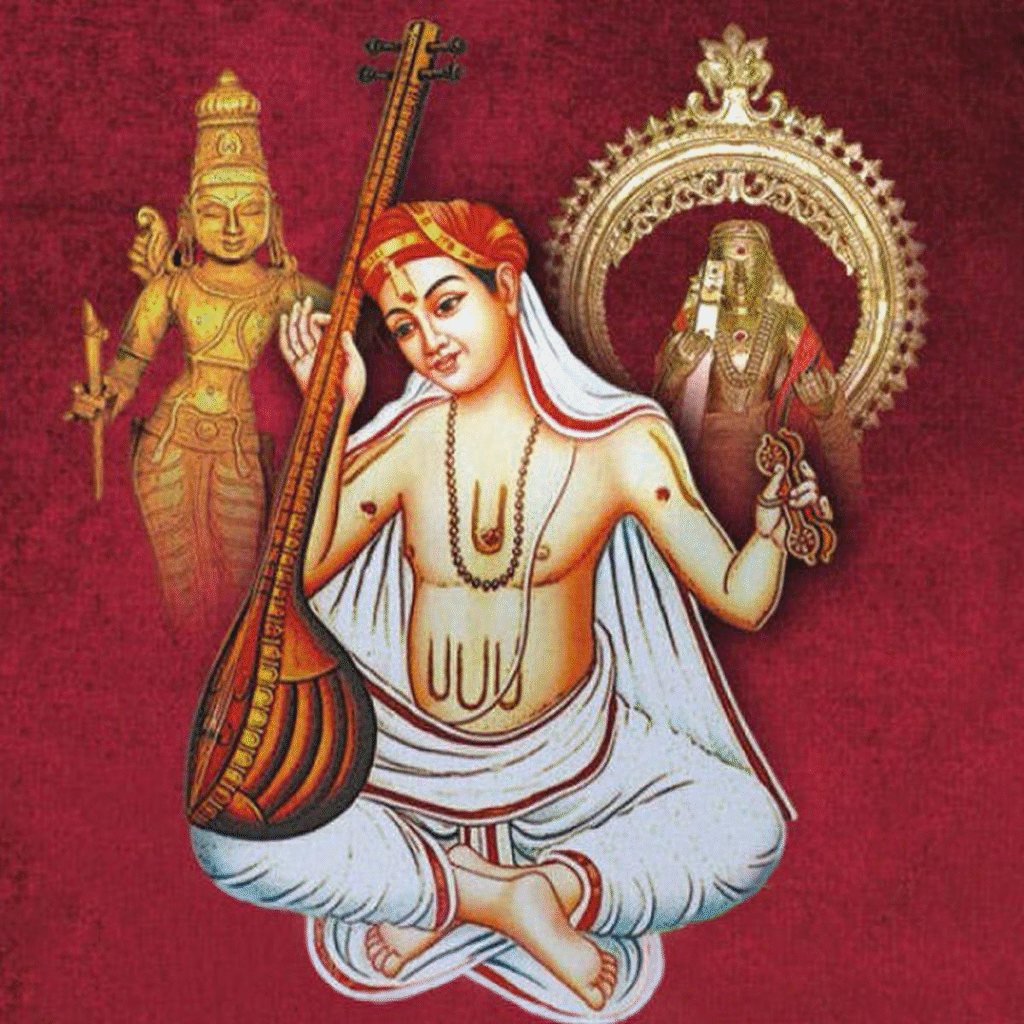
Thyagaraja was born in Tiruvarur, Tamil Nadu, into a family of musicians. His devotion to Lord Rama was the core inspiration behind his musical works. He is said to have composed over 24,000 songs, though only about 700 remain. His music is characterized by its rich emotional depth, with many of his compositions reflecting his personal devotion to Lord Rama, as well as his reverence for other deities.
Musical Contributions:
- Kritis: Thyagaraja’s kritis (devotional songs) are the cornerstone of Carnatic music. His compositions focus on bhakti (devotion), and they often feature lyrical beauty, intricate ragas, and rhythmic sophistication. Thyagaraja was known for his innovative use of ragas to convey emotion.
- Pancharatna Kritis: One of his most famous contributions is the Pancharatna Kritis—a set of five compositions that are considered masterpieces in Carnatic music. These kritis are dedicated to Lord Rama and are typically performed at concerts and festivals.
- Raga Mastery: He composed in a variety of ragas, but his mastery of the pentatonic ragas, such as Hamsadhwani, Sahana, and Kalyani, was exceptional.
- Innovative Approach: Thyagaraja is believed to have innovated in terms of simplifying ragas and talas, making them more accessible to the common man. His emphasis on melody, rhythm, and poetic structure continues to influence Carnatic music.
Famous Compositions:
- Endaro Mahanubhavulu (Raga: Sri)
- Jagadananda Karaka (Raga: Nattai)
- Rama Nannu Brovara (Raga: Todi)
- Sadhinchane (Raga: Darbar)
Philosophy:
Thyagaraja’s music and life revolved around the idea that the worship of the Divine, particularly Lord Rama, transcends human suffering. His compositions are not just musical works but prayers—emotional and spiritual outpourings that aim to elevate the soul.
2. Syama Sastri (1762–1827)
Biography:
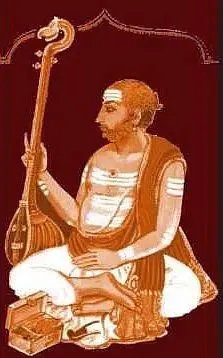
Syama Sastri, born in the town of Tiruvarur (same as Thyagaraja), was a direct contemporary of both Thyagaraja and Muthuswami Dikshitar. Unlike Thyagaraja, who was known for his mass appeal and popularity, Syama Sastri’s compositions were more introspective and spiritual in nature. He composed primarily in Telugu and his music, though intricate, was marked by an intense spiritual fervor. Syama Sastri spent much of his life in the service of the Goddess Kamakshi in Kanchipuram, and his compositions are often dedicated to her.
Musical Contributions:
- Kritis and Ragas: Syama Sastri was known for his highly complex compositions that involved intricate rhythmic patterns and sophisticated melodic structures. He often used ragas that were both challenging and highly expressive, creating a distinct style within the Carnatic tradition.
- Devotional Themes: Most of his compositions are devotional, centered around Goddess Kamakshi, and his compositions convey deep emotions of surrender, praise, and worship. He was a pioneer in using ragas such as Sankarabharanam and Hamsadhwani for compositions dedicated to the Goddess.
- Influence: While Thyagaraja focused more on Lord Rama, Syama Sastri’s work reflected his personal devotion to the Goddess Kamakshi, and his compositions are filled with a rare sensitivity to the nuances of ragas.
Famous Compositions:
- Balagopala (Raga: Shankarabharanam)
- Kamaleswaram (Raga: Hamsadhwani)
- Saraswati Stuti (Raga: Saraswati)
- Tulasidala (Raga: Desh)
Legacy:
Though Syama Sastri’s works are fewer than those of Thyagaraja and Muthuswami Dikshitar, his contributions to Carnatic music are immense. His compositions continue to be an integral part of the Carnatic music repertoire, especially within the domain of kritis dedicated to Goddesses.
3. Muthuswami Dikshitar (1775–1835)
Biography:
Muthuswami Dikshitar, born in the town of Tiruvarur like his contemporaries, is regarded as the “philosopher-composer” of the Carnatic Trinity. While Thyagaraja focused on Lord Rama and Syama Sastri on Goddess Kamakshi, Dikshitar’s devotion spanned many deities, particularly from a variety of regions across India. Dikshitar was highly influenced by the Sanskrit tradition and is known for incorporating elements of Hindustani music into Carnatic classical music.
Musical Contributions:
- Sanskrit Compositions: Dikshitar’s compositions are primarily in Sanskrit, and he was among the first composers to infuse Sanskrit into the Carnatic tradition. His lyrics often have a philosophical and spiritual depth, and his compositions reflect an advanced understanding of ragas and talas.
- Raga and Tala Innovations: Dikshitar was known for his masterful compositions in rare and complex ragas. His compositions are marked by a perfect blend of melody, rhythm, and lyricism. He was also an innovator in terms of using uncommon ragas, creating compositions that became essential to the Carnatic tradition.
- Deity Worship: Dikshitar’s devotion to a wide range of deities is evident in his works. His compositions cover Hindu gods and goddesses, but he was especially known for his praise of Lord Ganesha, Lord Shiva, and the deities of South Indian temples.
Famous Compositions:
- Vatapi Ganapatim (Raga: Hamsadhwani)
- Sri Venkatagiri (Raga: Gaurimanohari)
- Mahishasura Mardhini (Raga: Simhendramadhyamam)
- Ananda Bhairavi (Raga: Ananda Bhairavi)
Legacy:
Muthuswami Dikshitar’s compositions are characterized by their deep philosophical nature and their reliance on Sanskrit, an attribute that set him apart from Thyagaraja and Syama Sastri. His compositions remain highly respected and are essential to both vocal and instrumental Carnatic performances. His legacy continues to shape the future of Carnatic music.
4. Purandara Dasa (1484–1564)
Biography:
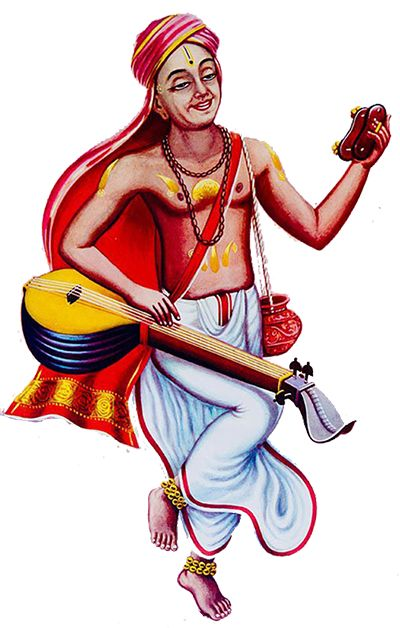
Purandara Dasa is considered the “father of Carnatic music” due to his unparalleled contributions to the development of the classical music system. Born in the Karnataka region, Purandara Dasa is best known for organizing the raga system and developing a system of music education that is still in use today. He was also a devout follower of Lord Vishnu and composed thousands of bhajans (devotional songs) in Kannada. He is considered one of the most important figures in the Bhakti movement of India.
Musical Contributions:
- Systemization of Music: Purandara Dasa is credited with creating the foundational system for teaching Carnatic music. He devised a method of teaching that included the use of svaras (musical notes), ragas, talas, and basic compositions (called geetas and varnas), which formed the core curriculum for classical music training.
- Compositions: Purandara Dasa’s songs are simple, accessible, and profound in their devotion to Lord Vishnu. His bhajans often emphasize the importance of devotion, surrender, and the divine, and they have become staples in the Carnatic music repertoire. His style of music, though simple, was highly emotional and deeply impactful.
- Moral Teachings: His compositions were not just religious; they often contained moral lessons and reflections on human nature, thus elevating the spiritual and ethical value of his songs.
Famous Compositions:
- Jagadoddharana (Raga: Varali)
- Tulasi Dasara (Raga: Desh)
- Guruvina Gimana (Raga: Bhairavi)
Legacy:
Purandara Dasa’s influence extends far beyond music; his songs became a vehicle for devotional practice and moral teachings. His system of music education continues to influence modern-day Carnatic music pedagogy. His bhajans are sung in temples, homes, and concert halls alike, and his legacy as the “Father of Carnatic Music” endures in the traditions of South Indian music.
5. Annamayya (1408–1503)
Biography:
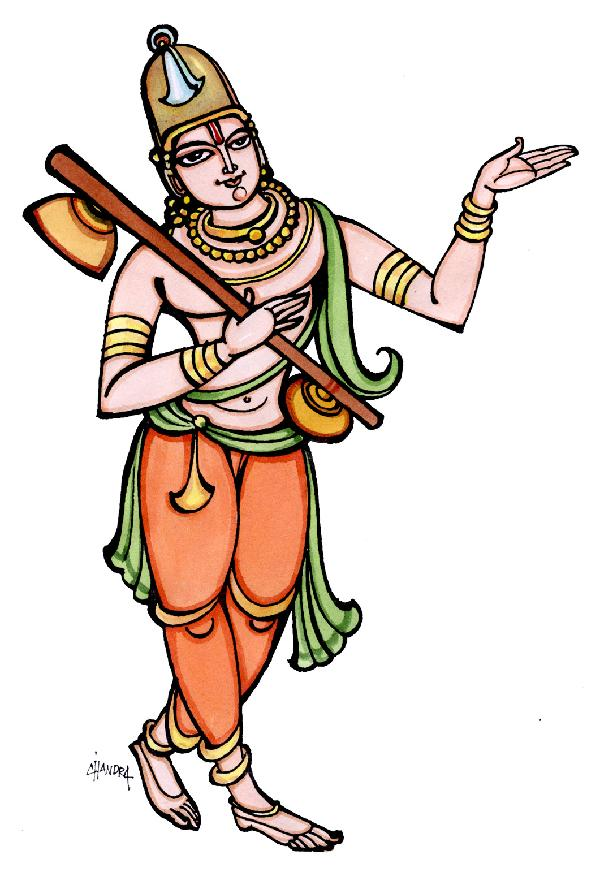
Annamacharya, popularly known as Annamayya, was one of the earliest and most prolific saint-poets of South India. Born in Tallapaka (Andhra Pradesh), he is regarded as the “Padakavita Pitamaha” (grandfather of devotional song) in Telugu literature and music. A devout follower of Lord Venkateswara of Tirumala, Annamayya dedicated his life to composing songs that blended devotion, philosophy, and everyday experiences.
Musical Contributions:
- Compositions: Annamayya composed over 32,000 sankeertanas, of which around 12,000 are available today. His works are in simple Telugu, making complex spiritual concepts accessible to the common people.
- Themes: His songs covered devotion (bhakti), morality, and human values, often portraying Lord Venkateswara as the central divine figure.
- Musical Depth: His kritis were set to different ragas and talas, enriching the early foundation of Carnatic music.
Famous Compositions:
- Brahmamokkate (Raga: Bowli)
- Jo Achyutananda (Lullaby, Raga: Neelambari)
- Vinaro Bhagyamu Vishnu Katha (Raga: Hamsadhwani)
Legacy:
Annamayya’s compositions continue to be sung in temples, concerts, and devotional gatherings. The Tirumala Tirupati Devasthanams (TTD) has preserved his works and promotes their performance. He is celebrated as one of the first saint-composers who laid the foundation for devotional Carnatic music in Telugu.
6. Sri Ramadasu (1620–1680)
Biography:
Sri Ramadasu, born Kancherla Gopanna in Nelakondapalli (present-day Telangana), was a government revenue officer who later became a saint-poet devoted to Lord Rama. He is revered for his role in building the Bhadrachalam Sri Rama Temple, dedicating his life to Rama bhakti. His devotion earned him the name Ramadasu (“Servant of Rama”).
Musical Contributions:
- Compositions: Ramadasu composed hundreds of devotional songs known as Ramadasu Keertanas, primarily in Telugu, filled with emotion, surrender, and longing for Lord Rama.
- Themes: His songs expressed intense bhakti, human struggles, and the grace of Rama, often drawing from personal experiences, including his imprisonment.
- Musicality: His kritis are set in classical ragas and talas, and remain part of Carnatic music concerts and devotional traditions.
Famous Compositions:
- Paluke Bangaramayena (Raga: Ananda Bhairavi)
- Emi Jesitene (Raga: Sankarabharanam)
- Ye Teeruga Nanu (Raga: Yadukula Kambhoji)
Legacy:
Ramadasu’s life story reflects devotion, sacrifice, and faith. The Bhadrachalam temple stands as a testimony to his love for Lord Rama. His songs are still sung with reverence in temples and music concerts, keeping alive his legacy as one of the greatest Rama bhaktas in South Indian devotional music.